
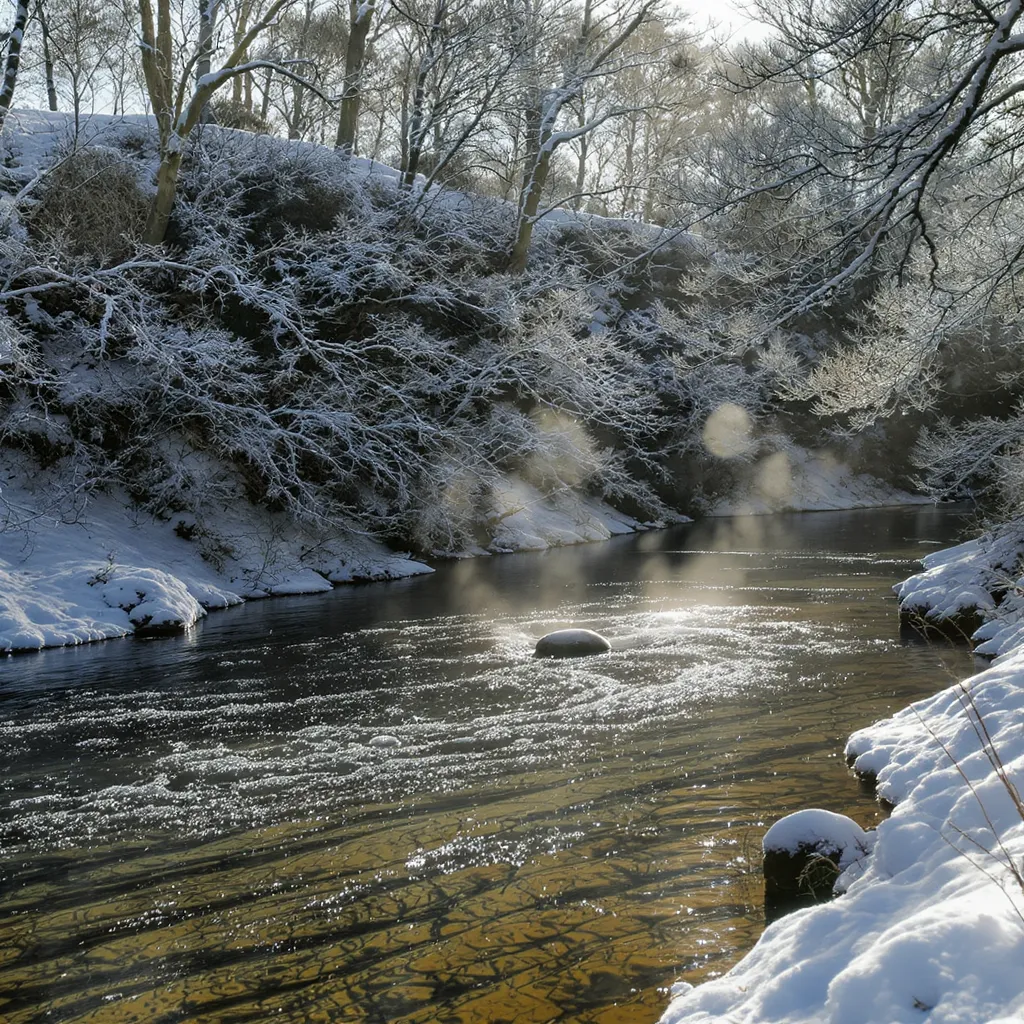

Winter fly fishing in the UK can be one of the most rewarding yet challenging experiences for any angler. Consequently, crisp mornings, frosted banks, and the sight of a grayling rising through icy water are unforgettable. However, without the right preparation, winter conditions can turn a promising day into a miserable one. This guide offers a complete UK seasonal fly fishing gear checklist for winter success, blending expert advice, current trends, and safety considerations. Moreover, having the right uk seasonal fly fishing gear will make all the difference.
Dressing for Winter Fly Fishing Success with UK Seasonal Fly Fishing Gear
Layering is the foundation of staying warm and comfortable during winter sessions. Start with a moisture-wicking base layer, ideally merino wool or high-performance synthetic fabrics. This draws perspiration away from your skin, keeping you dry. Additionally, add a mid-layer such as a fleece or lightweight down jacket for insulation. Finish with a waterproof, windproof outer shell to block the elements.
Layering is the single most important winter fishing preparation. Start warm, stay dry, and keep extremities protected — that’s the difference between a productive day and a miserable one.
— Orvis UK
Accessories matter. Neoprene gloves help maintain dexterity, while a wool or fleece hat covering your ears prevents significant heat loss. Studded or felt-soled wading boots provide traction on icy rocks, and a wading belt is essential for safety. Furthermore, many seasoned anglers recommend thermal socks paired with breathable waders, as cold feet can end a session prematurely. Consider a neck gaiter or buff to protect against biting wind, and opt for layered glove systems where thin liners sit beneath waterproof shells for optimal warmth and dexterity. The goal is to maintain comfort without restricting movement, allowing you to cast and mend line effectively even in sub-zero conditions.
| Clothing Item | Purpose | Recommended Material |
|---|---|---|
| Base Layer | Moisture management | Merino wool |
| Mid Layer | Insulation | Fleece or down |
| Outer Layer | Weather protection | Waterproof shell |
| Gloves | Heat retention | Neoprene |
| Hat | Heat retention | Wool/fleece |
For more in-depth safety advice, you may want to read UK Winter Fly Fishing Safety: Smart Wading Tips & Gear and check out our about page for more on our products.
Choosing the Right Winter UK Seasonal Fly Fishing Gear Tackle
Cold water changes fish behaviour, so tackle adjustments are essential. For rivers, a 9–10 ft rod in 3–5 weight is ideal for targeting grayling and out-of-season trout (catch and release). For stillwaters, a 6–7 weight rod handles longer casts and heavier flies. Lines with cold-water-specific coatings prevent icing and maintain flexibility.
Leaders and tippets should be fluorocarbon for low visibility in clear water. Flies for winter include heavier nymphs such as Pheasant Tail and Hare’s Ear, dark streamers, and egg patterns for stocked rainbow trout. Additionally, using micro rings or tippet rings can make changing tippet sections easier when your fingers are cold. Pair your rod with a reel that has a sealed drag system to prevent freezing, and ensure spools are loaded with backing that won’t absorb water. In very cold weather, some anglers opt for slightly heavier rods to help deliver weighted flies into deeper currents where fish are holding. As a result, balancing sensitivity with strength is key, as winter takes a toll on both gear and angler.
Winter fishing isn’t about fighting the cold — it’s about working with it. Dress right, move often, and you’ll fish longer and safer.
— NW Fly Fishing Academy
For additional gear insights, visit our fly fishing for salmon guide.
Winter Fly Patterns and Presentation with UK Seasonal Fly Fishing Gear
Presentation is often more important than pattern selection in winter. Fish are less active and feed in shorter windows, usually during midday when water temperatures peak. Use a slower retrieve and fish deeper runs. Weighted flies or sink-tip lines help reach the strike zone.
If you’re targeting stillwater trout, darker streamer patterns can stand out in low-light conditions. On rivers, euro nymphing with heavy bugs can be especially effective for grayling. Incorporating tungsten beads into nymph patterns ensures they sink quickly to where fish are holding. Furthermore, adjusting leader length to suit water depth can make a significant difference, and subtle movements or dead-drifts often outperform aggressive stripping. Monitoring water temperature with a small thermometer can help pinpoint optimal feeding times, and matching presentation to those windows can dramatically increase hook-ups. For more on stillwater tactics, check UK stillwater fly fishing for Winter Rainbow Trout.
Safety and Comfort in Cold Conditions with UK Seasonal Fly Fishing Gear
Safety should be at the top of your checklist. Use a wading staff to test depth and footing before moving forward. Avoid deep wading in icy flows, and keep moving to maintain body heat. Carry a flask of hot drink and high-energy snacks.
Cold water immersion can lead to hypothermia quickly, so knowing early warning signs such as uncontrollable shivering or reduced coordination is essential. Moreover, wearing a properly fitted life vest over your outer layer adds an extra level of protection, especially when fishing alone. Keep a small dry bag with spare gloves, socks, and a thermal layer in case you get wet unexpectedly. Even a short walk back to the car can be dangerous if you’re soaked and the wind is up. Therefore, planning exit routes and informing someone of your fishing location are simple precautions that can save lives.
| Safety Tip | Reason |
|---|---|
| Test footing with wading staff | Avoid slips and falls |
| Avoid deep wading | Prevent cold shock |
| Move regularly | Maintain body temperature |
| End session if numbness occurs | Prevent frostbite |
Innovations in UK Seasonal Fly Fishing Gear
Recent years have seen significant advancements in cold-weather fly fishing gear. Cold-resistant fly lines from brands like Airflo and Rio maintain flexibility in sub-zero temperatures. Breathable insulated waders from Simms and Patagonia keep anglers warm without restricting movement. Eco-friendly materials are now common in jackets and packs, appealing to environmentally conscious anglers.
These innovations not only improve comfort but can extend your fishing day by hours. Magnetic net releases that function reliably in cold, wet conditions, improved waterproof zippers, and insulated rod tubes all contribute to better winter angling experiences. Additionally, some companies have introduced heated insoles and gloves powered by rechargeable batteries, allowing anglers to keep extremities warm without bulk. For anglers who tie their own flies, winter is also the perfect time to restock boxes and experiment with new patterns, taking advantage of synthetic dubbing and UV resins that cure quickly even in lower temperatures. See UK River Flies: Build Your Spring Fly Box This Winter for inspiration.
Putting It All Together: Your Winter UK Seasonal Fly Fishing Gear Checklist
A practical checklist helps ensure nothing is forgotten:
- Clothing: Base layer, mid layer, outer shell, gloves, hat, wading boots
- Tackle: Appropriate rod, reel, cold-water line, leaders, tippets
- Flies: Heavy nymphs, dark streamers, egg patterns
- Safety: Wading staff, belt, hot drink, snacks, waterproof phone pouch
- Extras: Polarised sunglasses, waterproof fly boxes, reel oil
Beyond simply listing items, think about how each piece of gear works together. For example, pairing a cold-water line with fluorocarbon leaders ensures optimal turnover and stealth, while insulated waders and thermal socks keep you fishing longer without distraction. Furthermore, keep gear organized in a waterproof backpack so you can access essentials quickly without exposing contents to snow or rain. Updating your checklist after each trip based on what worked and what didn’t can refine your approach over time, making every outing more efficient and enjoyable.
Conclusion
Winter fly fishing in the UK rewards preparation, patience, and adaptability. By dressing in layers, choosing the right cold-water tackle, and prioritising safety, you can turn chilly days into some of your most memorable sessions. Moreover, having the proper uk seasonal fly fishing gear ensures you’re ready for any winter challenge. Target species like grayling and rainbow trout can be more accessible in winter when you adjust tactics to slower retrieves and deeper presentations.
Ultimately, the key takeaway is simple: work with the season, not against it. Use the right gear, respect the conditions, and embrace the unique beauty of winter on the water. With the checklist and tips in this guide, you can step onto the riverbank or stillwater edge confident and ready for success. Therefore, remember that winter fishing is often about quality over quantity—one perfectly executed drift in prime water can be more satisfying than a full summer day’s catch. So next time frost glistens on the banks of the Test, Dee, or your local stillwater, you’ll be prepared — and the fish won’t know what’s coming.