
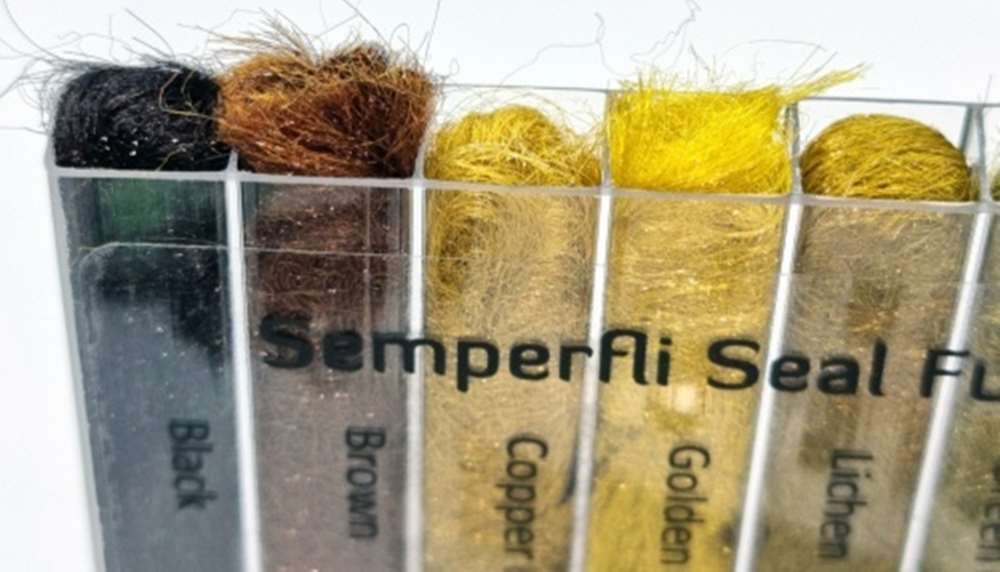

You’ve got patterns in mind and a vice ready, but buying synthetics online can feel like a guessing game. Dubbing comes in dozens of blends and fibre lengths; flash ranges from flat tinsel to crinkled crystal flash; chenille and fritz vary in core size and sparkle; foam has different densities and thicknesses; UV resins differ in viscosity and cure speed. Add mylar tubing, diamond braid, Predator fibres, craft fur, SF blends, plus rubber vs silicone legs—each with colours, UV effects and price jumps—and it’s easy to wonder which basket actually covers your fishing.
This guide trims the choice to eight proven synthetic fly tying materials for 2025, with clear pointers on what they are, why they matter, the patterns they excel in, how to choose the right spec, typical UK pricing right now, and where to buy online at The Essential Fly. Whether you’re topping up for early‑season buzzers, stillwater lures, summer terrestrials or predator and saltwater streamers, you’ll find practical, bench‑ready advice to help you order with confidence. We start with the foundation of countless modern patterns: synthetic dubbing.
1. Synthetic dubbing
What it is and why it matters
Synthetic dubbing is a consistent, easy‑to‑control fibre blend for building slender bodies, buggy thoraxes and neat collars with minimal bulk. Compared with natural fur, it offers repeatable colours, optional UV or trilobal sparkle, and excellent durability. As one of the most versatile synthetic fly tying materials, it speeds up tying while keeping profiles precise.
Best uses and patterns
Think of synthetic dubbing as your day‑in, day‑out body builder for stillwaters and rivers. It shines from micro dries to competition lures, giving you control over taper, flash and translucency.
- • Nymph and buzzer bodies: slim, consistent profiles with hotspot options.
- • Dry flies and emergers: superfine blends for buoyant, tight bodies.
- • Lure thoraxes and heads: bright or UV blends for added attraction.
- • Soft hackles and spiders: sparse, buggy thoraxes without bulk.
What to look for when buying
Match fibre type and finish to the job. Short, fine fibres dub tight; coarser or mixed fibres give “spike”. Keep a core of naturals plus a few brights.
- • Fibre length/denier: fine for dries, mixed/coarse for nymph “legs”.
- • Finish: plain, UV, or trilobal/ice for sheen and visibility.
- • Colour set: olives, black, rust, plus a couple of fluoro hotspots.
- • Pack format: single colours for volume, dispensers for range.
2. Flash fibres (tinsel, Flashabou, crystal flash)
What it is and why it matters
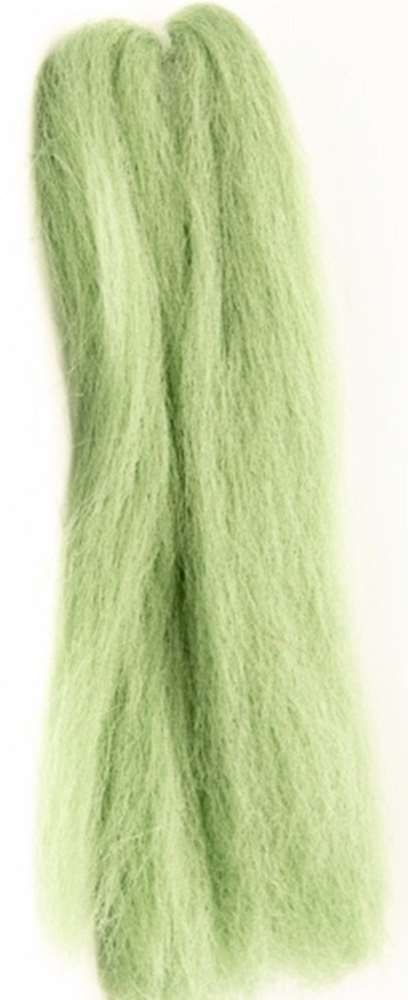
Flash fibres are thin, reflective synthetics—flat tinsel, wide undulating Flashabou, and fine, crinkled crystal flash—that add sparkle, lateral lines and light‑catching highlights without weight. As cornerstone synthetic fly tying materials, they boost visibility and trigger follows in coloured water, low light and at depth.
Best uses and patterns
Used sparingly, flash turns good profiles into confidence patterns. Add one or two strands to tails and wings, or rib bodies for segmentation and scale effects.
- Stillwater lures: Humungus, Cats, Blobs and Boobies with subtle crystal flash in the tail.
- Streamers and predators: Lateral lines on baitfish; bulkier Flashabou wings for pike and salt.
- Nymph ribbing/flashbacks: Flat tinsel ribs; pearl backs on PTNs and hare’s ears.
- Buzzers and chironomids: Mirage/pearl cheeks or sparse thorax highlights.
- Sea trout and saltwater: Durable Flashabou wings that shed water and cast long.
What to look for when buying
Pick profile and brightness to match water clarity and prey.
- Strand profile/width: Flat tinsel for ribs; crinkled crystal flash for subtle shimmer; wider Flashabou for bold wings.
- Flash intensity: Pearl and holographic for all‑round; fluoro and UV when you need pop.
- Handling/durability: Soft, knot‑friendly fibres that don’t kink; colourfast coatings.
- Length/hank size: Full‑length hanks for streamers; shorter for river flies to reduce waste.
- Environment: Salt‑safe materials and corrosion‑resistant tinsels for coastal work.
- Spool vs hank: Spools suit ribbing; hanks excel in wings and tails.
3. Chenille and fritz body materials
What it is and why it matters
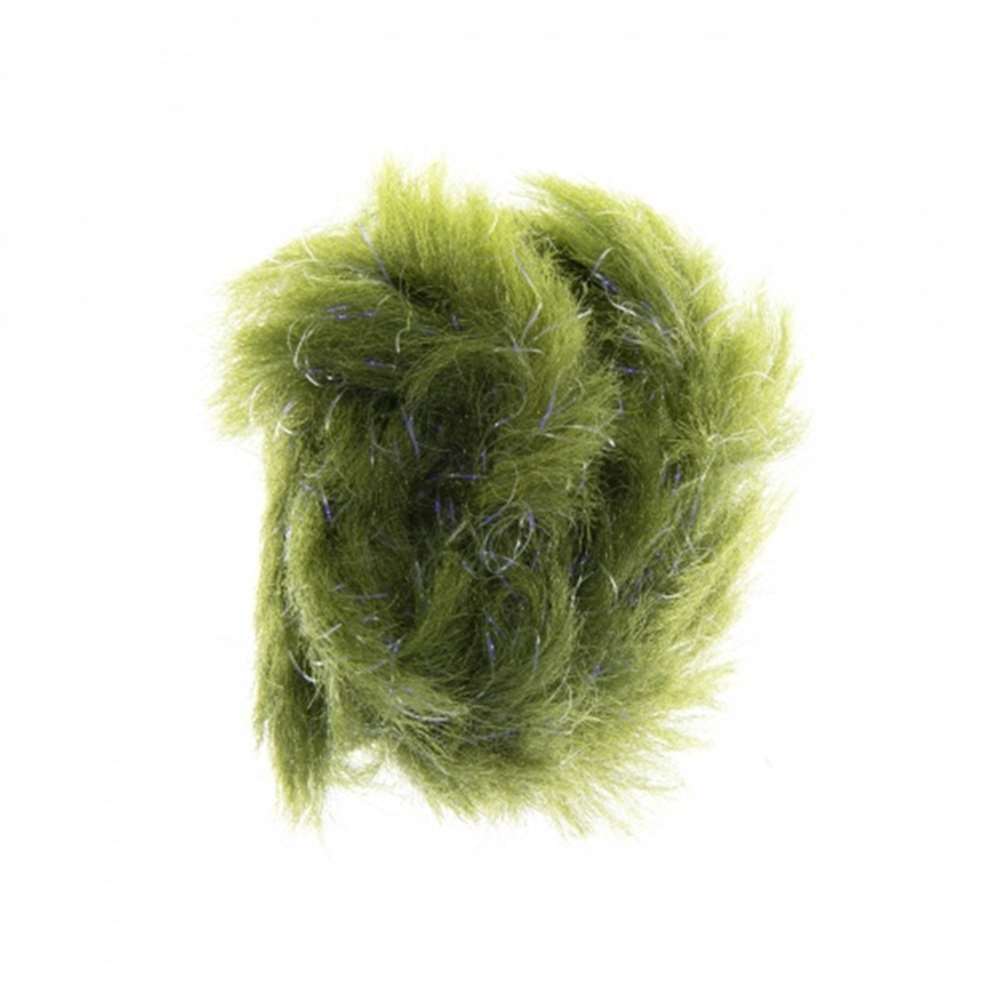
Chenille and fritz are core‑wrapped synthetic fibres that build fast, uniform bodies with sheen and movement. From fine micro chenille to long‑fibre straggle and bold cactus/jelly styles, these synthetic fly tying materials let you set profile, translucency and sparkle in seconds, making them staples for stillwater and lure patterns.
Best uses and patterns
For trout stillwaters they’re hard to beat, but they also earn a spot on river flies as punchy thoraxes. Choose fibre length to match hook size and the amount of “leggy” movement you want.
- Blobs, Boobies, FABs: Jelly or cactus fritz for buoyant, eye‑catching bodies.
- Cats Whisker/Woolly Bugger: Medium cactus or straggle for lively, pulsing profiles.
- Crunchers/DBs: Micro fritz thorax collars that add subtle shimmer.
- Buzzers: Sparse micro chenille cheeks or hot collars without bulk.
- Damsels and lures: Straggle for trailing legs; cactus for chunky silhouettes.
What to look for when buying
Start with a couple of body sizes and two finishes: one muted, one bright. Then expand into UV and speciality textures as your patterns demand.
- Fibre length/density: Micro for small hooks; longer straggle for movement and presence.
- Core type/colour: Strong, minimal‑twist cores; clear cores keep colours translucent.
- Finish: Plain, UV, holographic or jelly for different light effects.
- Handleability: Materials that wrap flat without clumping and don’t shed fibres.
- Diameter match: Pick sizes that cover your most‑used hooks to avoid over‑bulking.
4. Foam sheets, cylinders and strips
What it is and why it matters
Closed‑cell foam is a lightweight, compressible material that delivers dependable buoyancy, takes marker/pen colour well, and resists waterlogging. As one of the most practical synthetic fly tying materials, foam lets you build high‑floating silhouettes fast—from slim indicators to chunky terrestrial bodies and buoyant lure heads.
Best uses and patterns
Foam shines whenever you need flotation, visibility or noise. It also stabilises heavy patterns, keeping them fishing at the right depth.
- Hoppers, beetles, ants: 1–2 mm sheets for crisp, durable bodies.
- Chernobyls/cicadas: Stacked strips for lift, profile and splat.
- Boobies/FABs: Pre‑formed cylinders for consistent, high‑lift heads.
- Poppers/sliders: Layered sheets or cylinders for bass, pike and salt.
What to look for when buying
Match thickness and density to hook size and water speed; darker colours silhouette, brights aid tracking. Foam plays well with UV resin and superglue when applied sparingly.
- Thickness: 1 mm for small dries; 2–3 mm for terrestrials.
- Density: Softer for squeeze/fit; firmer for long‑lasting buoyancy.
- Format: Sheets for shaping; cylinders/strips for speed and consistency.
- Surface: Smooth for clean cuts; textured for grip and markers.
5. UV resin and UV-cured coatings
What it is and why it matters
UV resin is a clear, light‑activated coating that cures in seconds under a UV/blue torch to form durable, glossy heads, wing cases and shells. Unlike two‑part epoxies, it lets you pause, position and perfect proportions, then lock them in instantly. As part of your synthetic fly tying materials toolbox, it seals threads, adds transparency and boosts longevity without adding noticeable weight.
Best uses and patterns
Think “shape, seal, shine”. UV coatings improve durability and light transmission while keeping profiles precise.
- Buzzers/chironomids: Tack‑free heads and slim, translucent bodies.
- Perdigons and nymphs: Smooth, fast‑sinking skins with hotspot options.
- Scuds/shrimps: Curved shells that won’t cloud or crack.
- Streamers/pike/salt: Protective heads and eyes on baitfish patterns.
- Flashbacks/wing cases: Clear domes that magnify colour and flash.
- Terrestrials: Spot sealing knots, posts and high‑wear tie‑ins.
What to look for when buying
Choose viscosity and finish to match the job, and ensure your light cures it cleanly.
- Viscosity: Thin for wicking coats; medium for heads/cases; thick/gel for building bodies.
- Cure performance: Designed for 365–405 nm lights; fast, tack‑free finish.
- Finish/clarity: Non‑yellowing, bubble‑resistant, polishable surface.
- Hard vs flexible: Hard for nymphs/buzzers; flex for big streamer heads.
- Packaging: Needle tips/brush caps, anti‑clog nozzles, stable bottles.
- Safety: Low odour/low‑VOC preferred; use ventilation and eye protection.
6. Mylar tubing and diamond braid
What it is and why it matters
Mylar tubing is a woven metallic/pearl sleeve that expands over a hook shank or core to give instant, scaly bodies with minimal bulk. Diamond braid is a flat, sparkly braid that wraps like floss but adds depth and segmentation. Both are dependable synthetic fly tying materials for fast, durable, light‑grabbing bodies and heads.
Best uses and patterns
These materials excel anywhere you want a bright, fishy silhouette with quick, repeatable proportions.
- Baitfish/fry bodies: Pearl tubing for translucent, scale‑like minnows.
- Shrimp/sandeels: Slim, abrasion‑resistant bodies for salt and estuaries.
- Streamers/tube heads: Clean, glossy heads that accept eyes neatly.
- Nymph butts/cheeks: Diamond braid hotspots without bulk or fuss.
What to look for when buying
Match diameter, finish and core style to hook size and target species.
- Diameter/expandability: Small/medium/large to sleeve over shanks or cores.
- Finish: Pearl, opal, holographic for scale effects and visibility.
- Core type: Hollow/clear core for translucency; woven density for durability.
- Hand/handleability: Braid that lays flat; tubing that doesn’t fray excessively.
- Salt safety: Colourfast coatings and corrosion‑proof materials for coastal use.
- Sealing: Ends that accept heat/UV resin to lock fibres cleanly.
7. Synthetic hair fibres (Predator Fibres, craft fur, SF blends)
What it is and why it matters
Synthetic hair fibres cover long, straight or slightly crinkled strands (EP‑style), soft‑tapered pile on a fabric base (craft fur), and pre‑mixed fibre/flash combinations (SF blends). They shed water, resist fouling, and keep a clean baitfish silhouette. As versatile synthetic fly tying materials, they deliver translucency, colour control and durability for streamers from trout fry to pike and saltwater sandeels.
Best uses and patterns
These fibres build mobile, castable wings that hold shape yet pulse on the strip. Think sparse, layered profiles that track straight and recover after fish.
- Baitfish and sandeels: Layered EP‑style wings with subtle pearl/UV.
- Clousers/Deceivers: Craft fur or blends for taper; add flash for a lateral line.
- Pike/musky streamers: Long fibres and SF blends for bulk without weight.
- Sea trout/bass: Slim, translucent minnows that cast well in wind.
- Fry and roach/perch imitations: Short stacks with dark backs/light bellies.
What to look for when buying
Pick fibre type and length for target species and hook size, then fine‑tune taper and sheen.
- Fibre length/taper: Short (3–5") for trout; long (8–12"+) for pike/salt.
- Stiffness/crinkle: Straighter for clean profiles; light crinkle for body and shimmer.
- Translucency/flash: Plain for clear water; SF‑style blends for built‑in lateral lines.
- Craft fur quality: Long guard hair, dense underfur, minimal matting on the patch.
- Colourfast/salt‑safe: Coatings that won’t bleed; materials that rinse and dry well.
- Ease of tying: Fibres that stack, reverse‑tie and trim cleanly; bond well with UV resin.
8. Rubber and Silicone legs
What it is and why it matters
Rubber and silicone legs are supple, elastic strands that add lifelike kick, pulse and vibration to flies with minimal bulk. Silicone is typically more UV‑ and ozone‑resistant, stays colour‑true longer and resists sticking, while natural rubber can feel extra “lively” but may perish over time. As simple, high‑impact synthetic fly tying materials, legs turn static patterns into movement‑led triggers—especially in choppy water or low light.
Best uses and patterns
Legs excel whenever fish key on motion or silhouette. A couple of strands can transform a basic body, and barred/printed finishes suggest segmentation instantly.
- Terrestrials: Hoppers, beetles and daddies with kicking, barred legs for realism.
- Attractors: Chernobyl Ants and foam indicators with two‑tone legs for visibility.
- Streamers/buggers: Rubber‑leg buggers and mini‑jigs for added throb on the pause.
- Pike/bass poppers: Wide silicone legs that flare, wobble and push water.
- Salt/shrimp/crab: Barred silicone legs for lifelike feelers and walking legs.
What to look for when buying
Start with a neutral, a barred natural and a high‑viz chartreuse/fluoro, then size down for river dries and up for predators.
- Material: Silicone for durability/colourfastness; rubber for extra “lively” stretch.
- Profile/size: Micro legs for small dries; standard/wide tabs for lures and predators.
- Finish: Barred/speckled for segmentation; plain/fluoro for high contrast; UV/glow for low light.
- Stretch/recovery: Snaps back without kinking; doesn’t stick to itself.
- Temperature resistance: Remains supple in cold; won’t melt in summer heat.
- Format: Skirt tabs/strips for quick matching pairs; loose strands for fine tuning.
Final thoughts on buying synthetics online
If your bench feels crowded but your results don’t, let function drive your basket: buoyancy (foam), flash (tinsel/flash fibres), profile (chenille/fritz, mylar/diamond braid), translucency and durability (UV resin), and movement (synthetic hairs, rubber/silicone legs). Build a core kit in proven colours—olive, black, tan, white, pearl, silver/gold and a chartreuse or fluoro hotspot—then add UV/pearl accents for low light or coloured water. Match sizes and viscosities to your hooks and water speed, choose salt‑safe, colourfast finishes if you fish the coast, and use single‑colour packs for volume with mixed dispensers or hanks for range. Finally, lean on expert advice; the right tip saves more than any discount. For step‑by‑steps, colour picks and seasonal pattern updates, browse the guides on the The Essential Fly blog and stock up with confidence.